
What Is Oculoplastic Surgery?
Learn what oculoplastic surgery is, the eyelid and surrounding-eye conditions it can treat, and when an evaluation may be appropriate.

What Is Oculoplastic Surgery?
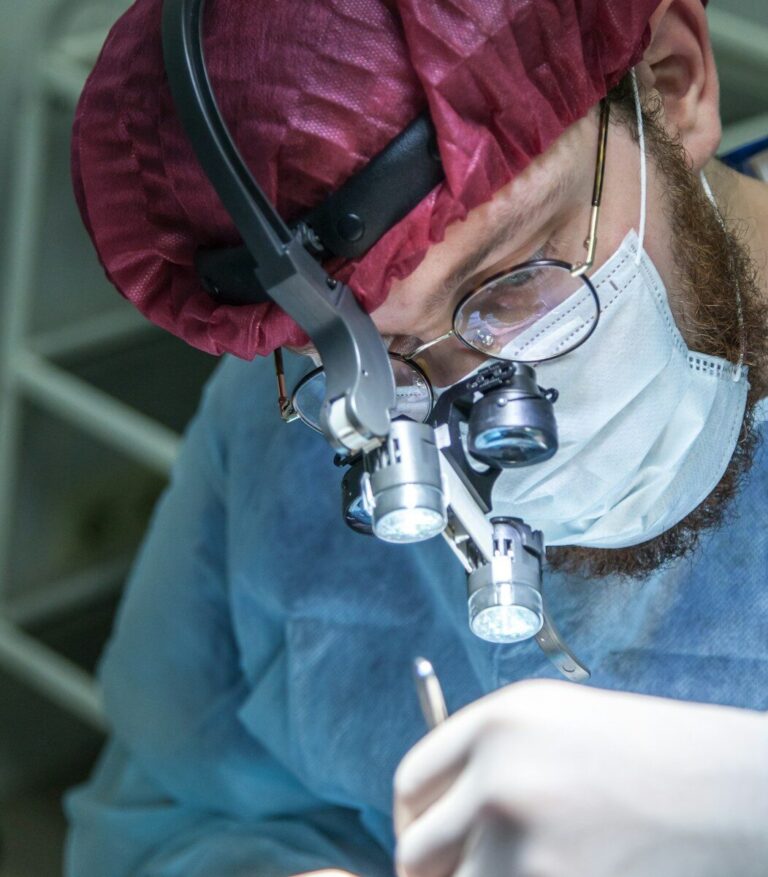
Oculoplastic surgery is a specialized area of ophthalmic surgery involving the eyelids, tissues surrounding the eyes, tear drainage system, and orbit—the bony space that contains the eye. It may be used to treat problems that affect appearance, comfort, eyelid function, vision, or protection of the eye.
Unlike surgery performed only for cosmetic reasons, many oculoplastic procedures are performed to restore normal eyelid position or function and protect the health of the eye. The appropriate treatment depends on the underlying problem and the individual patient’s anatomy and needs.
What Does Oculoplastic Surgery Treat?
Oculoplastic surgery encompasses a range of conditions rather than one specific disease or procedure.
Common problems treated within oculoplastic care include:
- Drooping upper eyelids, known as ptosis
- Excess eyelid skin that may contribute to a restricted field of vision
- Eyelids that turn inward, known as entropion
- Eyelids that turn outward, known as ectropion
- Eyelid lumps, growths, or lesions
- Problems involving the tear drainage system
- Certain conditions affecting the tissues around the eye
- Reconstructive problems following injury, previous surgery, or removal of an eyelid lesion
Oculoplastic services may also include treatment of certain orbital and tear-drainage disorders. The exact conditions treated vary between practices and individual specialists.

Why Might Someone Need Oculoplastic Surgery?
The reasons for considering oculoplastic surgery vary considerably.
For some patients, an eyelid problem can interfere with vision. Excess upper-eyelid skin, for example, can become heavy enough to contribute to obstruction of the upper or peripheral visual field. Blepharoplasty can remove excess eyelid tissue in appropriately selected patients.
Other patients may have an eyelid that no longer sits correctly against the eye.
With entropion, the eyelid turns inward. The eyelashes and eyelid skin can rub against the surface of the eye, causing irritation, redness, watering, and discomfort. In some cases, untreated entropion can damage the cornea.
With ectropion, the eyelid turns outward. This can interfere with normal protection and lubrication of the eye and may cause watering, irritation, dryness, or sensitivity.
Ptosis is another common reason for evaluation. A drooping upper eyelid can sometimes interfere with the visual field, and the underlying cause needs to be considered before treatment is planned. Different surgical approaches may be appropriate depending on the cause and severity of the ptosis and how well the eyelid-lifting muscle functions.
Common Oculoplastic Conditions
Ptosis
Ptosis means that an upper eyelid sits lower than it should.
It can occur for different reasons, including age-related changes, problems involving the eyelid-lifting muscles or their supporting structures, nerve-related conditions, trauma, or conditions present from birth.
Treatment depends on the cause, severity, and effect on vision and eyelid function. When surgery is appropriate, the specific technique is selected according to factors such as the underlying diagnosis and the function of the eyelid-lifting muscle.
Excess Eyelid Skin
As people age, the skin and supporting tissues around the eyelids can change. In some people, excess upper-eyelid skin becomes prominent enough to affect the appearance of the eyelids or, in some circumstances, contribute to visual-field obstruction.
Blepharoplasty is a procedure that removes excess eyelid tissue. Whether surgery is appropriate depends on the patient’s examination and whether the problem is functional, cosmetic, or both.
Entropion
Entropion occurs when an eyelid, usually the lower eyelid, turns inward toward the eye.
Because the eyelashes may rub against the eye, patients can experience:
- A gritty or scratching sensation
- Redness
- Excessive watering
- Irritation
- Light sensitivity
- Discomfort
Persistent rubbing against the cornea can potentially cause more serious surface problems, which is why appropriate evaluation is important.
Ectropion
Ectropion occurs when an eyelid turns outward away from the eye.
The eyelid may no longer spread tears normally across the eye’s surface. Patients may therefore experience watering, dryness, irritation, or sensitivity to wind and light.
Age-related changes are a common cause, although scarring, trauma, previous surgery, skin conditions, and facial nerve problems can also contribute.
Eyelid Lesions
Oculoplastic specialists may also evaluate lumps, growths, or other lesions affecting the eyelid.
Some lesions are benign, while others may require further investigation or removal. When an eyelid lesion is removed, reconstructive techniques may sometimes be needed to restore the eyelid’s shape and function.
How Are Oculoplastic Problems Diagnosed?
Diagnosis begins with a detailed examination.
Your eye-care professional may evaluate:
- Eyelid position
- Eyelid movement
- Eyelid strength and function
- The position of the eyelashes
- The surface of the eye
- Tear production and drainage when relevant
- Vision and visual fields when appropriate
- The tissues surrounding the eye
The examination is important because similar-looking eyelid problems can have different causes and may require different treatments.
For example, drooping eyelid skin is not necessarily the same problem as ptosis. Brow position can also contribute to the appearance of an overhanging upper eyelid, so the surrounding structures may need to be assessed before deciding which treatment is appropriate.


When Should You Consider an Oculoplastic Evaluation?
An evaluation may be appropriate if you notice a persistent change in the position, shape, or function of your eyelids.
Examples include:
- An eyelid that has gradually become droopy
- Eyelid skin that appears to interfere with your vision
- An eyelid that turns inward or outward
- Eyelashes repeatedly rubbing against the eye
- Persistent watering associated with an eyelid-position problem
- Ongoing eyelid irritation or exposure of the eye
- A new or changing eyelid lump or lesion
- Changes following facial trauma or previous eyelid surgery
Not every eyelid problem requires surgery. Depending on the cause and severity, observation, medication, lubrication, or another nonsurgical approach may sometimes be appropriate.
Is Oculoplastic Surgery Always Necessary?
No.
Surgery is only one part of oculoplastic care. The appropriate treatment depends on what is causing the problem, how severe it is, whether the eye is being affected, and the patient’s overall circumstances.
For example, mild ectropion may sometimes be managed initially with lubrication and other supportive measures, while more significant cases may require surgery to restore eyelid position.
Similarly, not every patient with excess eyelid skin will require blepharoplasty. An examination helps determine whether the eyelid changes are affecting visual function and whether another condition is contributing to the symptoms.

Frequently Asked Questions
Is oculoplastic surgery only cosmetic?
No. Oculoplastic surgery can address both functional and reconstructive problems involving the eyelids and surrounding structures. Some procedures are performed because an eyelid problem interferes with vision or eye protection rather than appearance.
What is the difference between ptosis and excess eyelid skin?
Ptosis refers to an abnormally low position of the eyelid itself, while excess eyelid skin involves redundant skin that may hang over the eyelid. The two can occur together, but they are different problems and may require different treatments.
Can an inward-turning eyelid damage the eye?
It can. With entropion, eyelashes may repeatedly rub against the cornea, potentially causing irritation and damage if the condition is not appropriately managed.
Can an outward-turning eyelid cause dry eyes?
Yes. Ectropion can interfere with normal eyelid closure and tear distribution, which may contribute to dryness and irritation.
Are all eyelid lumps cancerous?
No. Many eyelid lesions are benign. However, a new, changing, persistent, or suspicious lesion should be evaluated rather than assumed to be harmless.
Is surgery the only treatment for eyelid problems?
No. Depending on the condition, treatments may include observation, lubrication, medication, or surgery. The appropriate approach depends on the underlying cause and severity.
How do I know which oculoplastic procedure I might need?
The appropriate procedure cannot be determined from symptoms alone. An eye examination allows the underlying problem and relevant anatomy to be assessed before treatment options are discussed.
Continue Learning
Oculoplastic Surgery: What to Expect
Learn how an oculoplastic evaluation works, how treatment decisions are made, and what patients can generally expect before and during surgery.
Oculoplastic Surgery Recovery & Aftercare
Learn about recovery, common postoperative symptoms, follow-up care, potential complications, and warning signs.
Medical Disclaimer
The information on this page is provided for general educational purposes and is not a substitute for a professional eye examination, diagnosis, or individualized medical advice. Cataract treatment and surgical decisions depend on each patient’s eye health, medical history, visual needs, and other individual factors. If you have sudden or significant changes in vision, severe eye pain, or other concerning symptoms, seek prompt medical attention.

Ready to See the World More Clearly?
Schedule your comprehensive eye exam with Hillside Ophthalmology today and experience expert care tailored to your needs.