

Glaucoma Care
Glaucoma is a group of eye diseases that can damage the optic nerve, the part of the eye that carries visual information to the brain. Because glaucoma often develops slowly and without noticeable symptoms, regular eye examinations are an important part of protecting your vision.
Glaucoma care focuses on detecting the disease early, monitoring changes over time, and using appropriate treatment to help protect the vision you still have.
To read more about “What is Glaucoma, its causes, symptoms, and impact” please click here.
Glaucoma Treatment Options
Glaucoma cannot currently be cured, and existing optic-nerve damage cannot be reversed.
Treatment is aimed at reducing the risk of further damage.
The appropriate treatment depends on factors such as:
- Type of glaucoma
- Stage and severity
- Current eye pressure
- Evidence of progression
- Optic-nerve appearance
- Visual-field changes
- Overall eye health
- Other medical conditions
- Previous treatments
- Individual circumstances and preferences
Treatment may involve medication, laser treatment, surgery, or a combination of approaches.

Glaucoma Treatment Options
Prescription Eye Drops
Eye drops are a common treatment for glaucoma.
Different medications work in different ways. Some help the eye drain fluid more effectively, while others reduce the amount of fluid produced.
Your doctor may prescribe one medication or a combination of medications depending on your individual treatment needs.
Glaucoma eye drops often need to be used regularly, even when you feel completely well.
This can be difficult for some people because glaucoma treatment may not make vision feel better. The purpose is to help prevent or slow further damage.
If eye drops cause significant irritation or other side effects, tell your eye doctor rather than stopping them without medical guidance. An alternative medication or treatment approach may be possible.
Laser Treatment
Laser treatment can be used for certain types of glaucoma.
One example is selective laser trabeculoplasty (SLT), which can be used for some people with open-angle glaucoma. The laser is directed at the drainage tissue to help improve the movement of fluid out of the eye.
Other laser procedures may be used for different forms of glaucoma.
Laser treatment is generally performed as an outpatient procedure. The eye is numbed with drops, and patients may see bright flashes of light during the treatment.
The role of laser treatment depends on the type and severity of glaucoma and the patient’s individual circumstances.
Glaucoma Surgery
If medications or laser treatment do not adequately control the disease, or if the glaucoma requires a more aggressive approach, surgery may be considered.
There are several types of glaucoma surgery.
These may include:
- Trabeculectomy, which creates a new pathway for fluid to leave the eye
- Glaucoma drainage implants, which use a small device to help fluid drain
- Minimally invasive glaucoma surgery (MIGS), a group of procedures designed to improve fluid drainage with less invasive techniques than some traditional glaucoma surgeries
Not every procedure is appropriate for every type or stage of glaucoma.
The choice depends on the patient’s eye anatomy, glaucoma type and severity, previous treatments, and treatment goals.
What to Expect if Laser Treatment Is Recommended
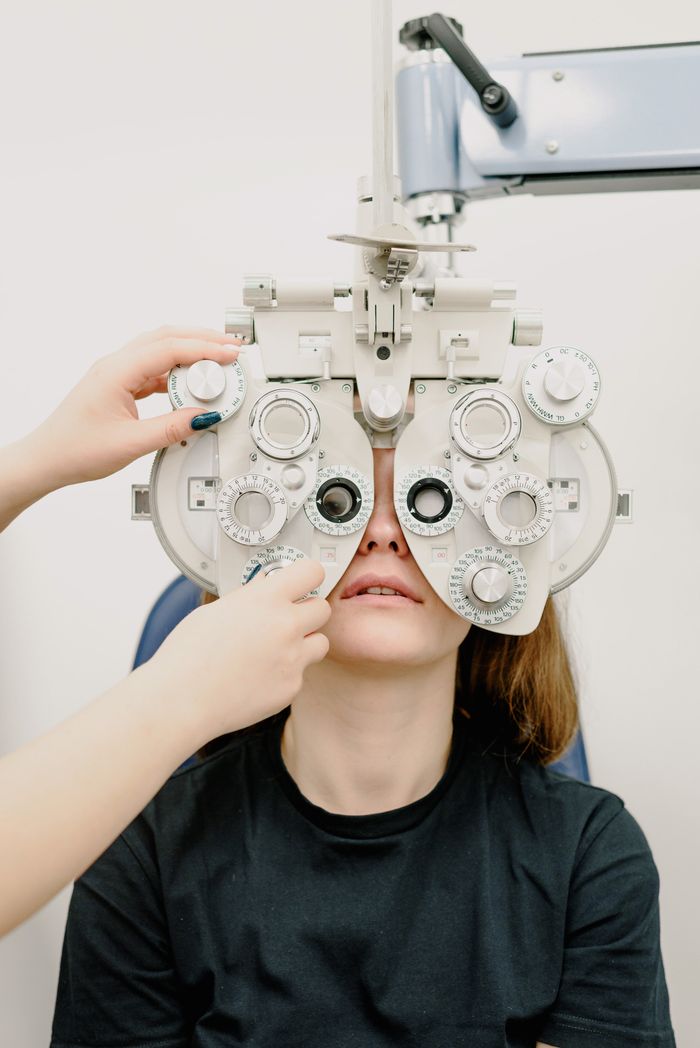
Before laser treatment, your doctor will evaluate your eye and discuss why the procedure is being considered.
During treatment:
- The eye is numbed with drops.
- A special lens may be placed on the eye.
- The laser is directed at the appropriate structures.
- You may see bright flashes of light.
- Your eye pressure may be checked after the procedure.
Some people experience temporary irritation, soreness, or blurred vision afterward.
Your doctor will provide specific instructions about medications and follow-up care.
Laser treatment does not necessarily eliminate the need for glaucoma medication, and some patients may require additional treatment later.

What to Expect if Glaucoma Surgery Is Recommended
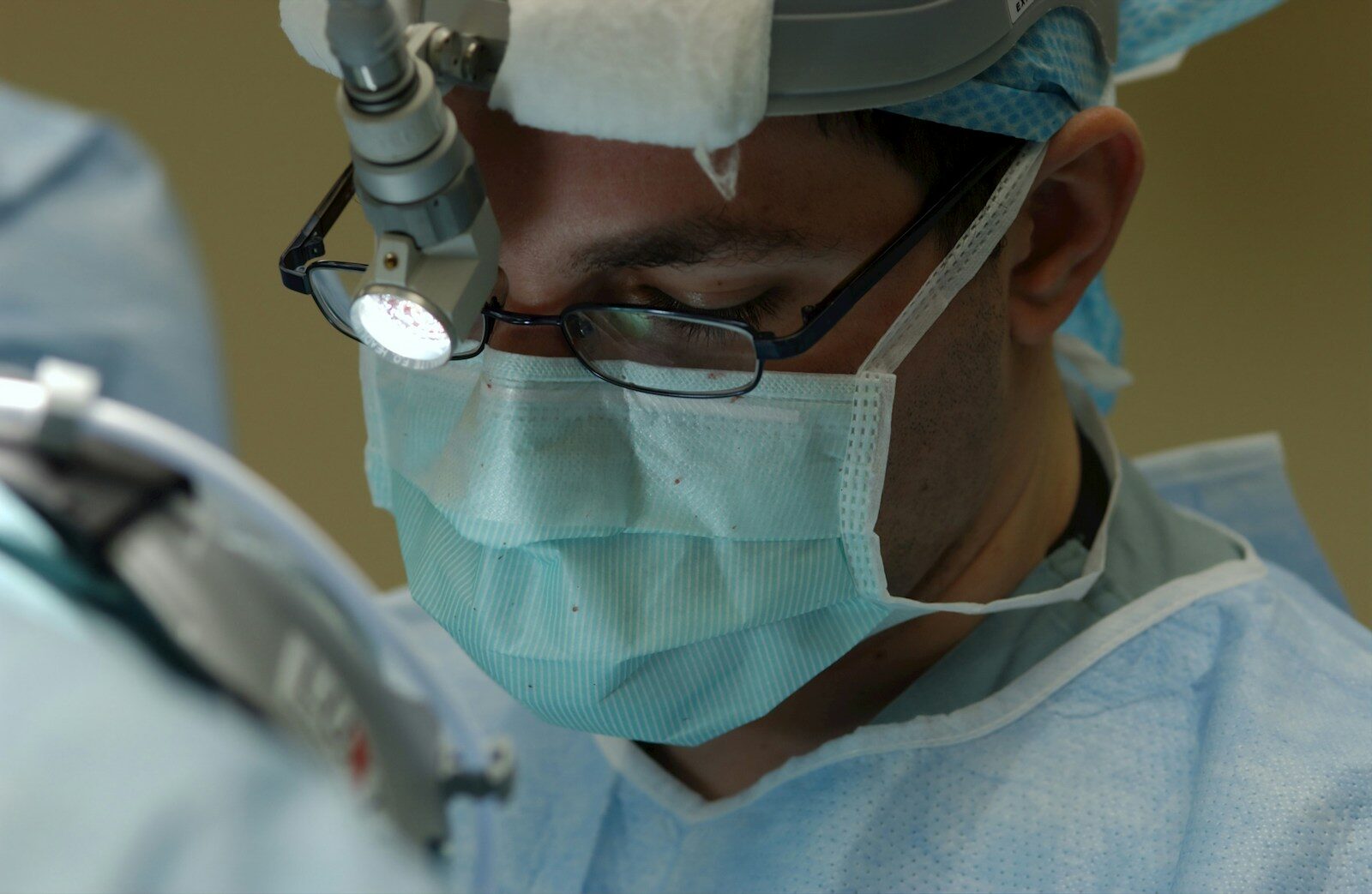
Glaucoma surgery involves more preparation and recovery than an office-based laser procedure.
Before surgery, your eye doctor will review your glaucoma, previous treatments, medications, and overall eye health. The exact preparation depends on the procedure being considered.
During surgery, the eye is typically numbed, and medication may be provided to help you remain comfortable.
After surgery, you may experience temporary redness, irritation, swelling, or blurred vision. Prescription eye drops are commonly used during the healing period.
Follow-up appointments are important because eye pressure and healing need to be monitored closely.
Your doctor will provide individualized instructions about physical activity, eye protection, medications, and other precautions during recovery.
Risks and Possible Complications
Every glaucoma treatment has potential benefits and risks.
Eye Drops
Depending on the medication, side effects can include:
- Stinging or burning
- Itching
- Eye redness
- Blurred vision
- Changes around the eye
- Headache
- Changes in energy level, heartbeat, or breathing with certain medications
Tell your doctor about troublesome or unexpected side effects.
Laser Treatment
Possible effects include temporary:
- Eye irritation
- Soreness
- Blurred vision
- Inflammation or swelling
Less common complications can occur depending on the type of laser procedure.
Glaucoma Surgery
Possible complications of glaucoma surgery include:
- Inflammation
- Infection
- Bleeding
- Eye pressure becoming too low or too high
- Corneal problems
- Cataract formation or progression
- Vision changes
- The need for additional treatment
The risks vary substantially depending on the type of surgery and the individual patient’s eye.
Your ophthalmologist should explain the specific risks and expected benefits of the procedure being considered.
Long-Term Glaucoma Management
Glaucoma is generally a long-term condition that requires ongoing monitoring.
Treatment is not usually something that can simply be completed and forgotten.
Your eye doctor may periodically evaluate:
- Eye pressure
- Optic-nerve appearance
- Visual-field performance
- Retinal or optic-nerve imaging
- Medication effectiveness
- Treatment side effects
- Evidence of disease progression
The frequency of follow-up appointments depends on your type of glaucoma, severity, treatment, risk factors, and how stable your condition is.
A treatment plan may also change over time.


Why Consistent Treatment Matters
Glaucoma can progress without causing noticeable symptoms.
If you have been prescribed glaucoma medication, using it exactly as directed is an important part of protecting your remaining vision.
Do not stop glaucoma medication simply because your eyes feel normal.
If you have difficulty remembering doses, experience side effects, have trouble administering drops, or are concerned about the cost or inconvenience of treatment, discuss the problem with your eye-care professional. There may be ways to modify the treatment plan.
When Glaucoma Requires Urgent Attention
Most glaucoma develops gradually, but acute angle-closure glaucoma can occur suddenly and requires immediate treatment.
Seek urgent medical attention if you suddenly experience:
- Severe eye pain
- Redness of the eye
- Sudden blurred vision
- Halos around lights
- Severe headache
- Nausea or vomiting
These symptoms can indicate a rapid increase in eye pressure.
Do not wait for a routine appointment if these symptoms occur suddenly.
Frequently Asked Questions About Glaucoma Care
Can glaucoma be cured?
There is currently no cure that reverses glaucoma-related optic-nerve damage. Treatment is designed to slow or prevent further damage and preserve remaining vision.
Can I have glaucoma if my eye pressure is normal?
Yes. Normal measured eye pressure does not completely rule out glaucoma. Some people develop optic-nerve damage at pressures that fall within a typical range.
Does high eye pressure mean I have glaucoma?
Not necessarily. Some people have elevated eye pressure without developing glaucoma. Your doctor considers eye pressure together with the optic nerve, visual field, eye anatomy, and other risk factors.
Will I know if I have glaucoma?
Not always. Early glaucoma often has no noticeable symptoms. This is one reason comprehensive eye examinations are important, particularly for people with increased risk.
Can glaucoma cause blindness?
Untreated or inadequately controlled glaucoma can cause severe vision loss and, in advanced cases, blindness. Early detection and appropriate treatment can help reduce the risk of further vision loss.
Do glaucoma eye drops restore lost vision?
No. Glaucoma medications are intended to lower the risk of further damage. They do not restore optic-nerve damage that has already occurred.
Do I need glaucoma treatment if I feel fine?
If your doctor has diagnosed glaucoma and prescribed treatment, you may need treatment even if you have no symptoms. Glaucoma can progress silently, so the absence of symptoms does not necessarily mean that the disease is inactive.
Is laser treatment better than eye drops?
There is no single treatment that is best for everyone. Laser treatment and medications have different advantages, limitations, and suitability depending on the type and stage of glaucoma and the patient’s circumstances.
Your eye doctor can explain which options are appropriate for you.
Will I need glaucoma surgery?
Not everyone with glaucoma needs surgery. Many people are managed with medications, laser treatment, or a combination of approaches. Surgery may be considered when other treatments do not adequately control the disease or when the clinical situation calls for it.
How often should I have my eyes checked for glaucoma?
There is no single examination schedule that applies to everyone. The appropriate interval depends on factors such as age, family history, eye health, previous findings, and overall glaucoma risk.
People at increased risk may need more frequent comprehensive examinations.

Why Professional Eye Care Matters
Glaucoma is not diagnosed from symptoms alone, and a single eye-pressure measurement cannot provide the complete picture.
A comprehensive evaluation allows an eye-care professional to examine the optic nerve, assess the visual field, measure eye pressure, evaluate the eye’s drainage angle, and consider other factors that may affect your risk.
Because glaucoma can develop silently, establishing a baseline and monitoring changes over time can be just as important as identifying the condition in the first place.
Individualized care is particularly important because the appropriate treatment and target eye pressure can differ from one person to another.
Read more about what to expect in a Comprehensive Eye Exam.
Medical Disclaimer
The information on this page is provided for general educational purposes and is not a substitute for a professional eye examination, diagnosis, or individualized medical advice. Cataract treatment and surgical decisions depend on each patient’s eye health, medical history, visual needs, and other individual factors. If you have sudden or significant changes in vision, severe eye pain, or other concerning symptoms, seek prompt medical attention.

Ready to See the World More Clearly?
Schedule your comprehensive eye exam with Hillside Ophthalmology today and experience expert care tailored to your needs.