
Eye Injuries & Accidents: What to Do When Your Eye Is Injured
Knowing what to do — and what not to do — immediately after an injury can help prevent additional damage while you arrange appropriate care.
Common Types of Eye Injuries
Eye injuries can take many forms, including:
- Scratches to the cornea
- Dust, sand, or other foreign objects in the eye
- Blunt trauma
- Chemical exposure
- Cuts to the eyelid or eye
- Penetrating injuries
- High-speed particles entering the eye
- Injuries related to contact lenses
- Ultraviolet exposure
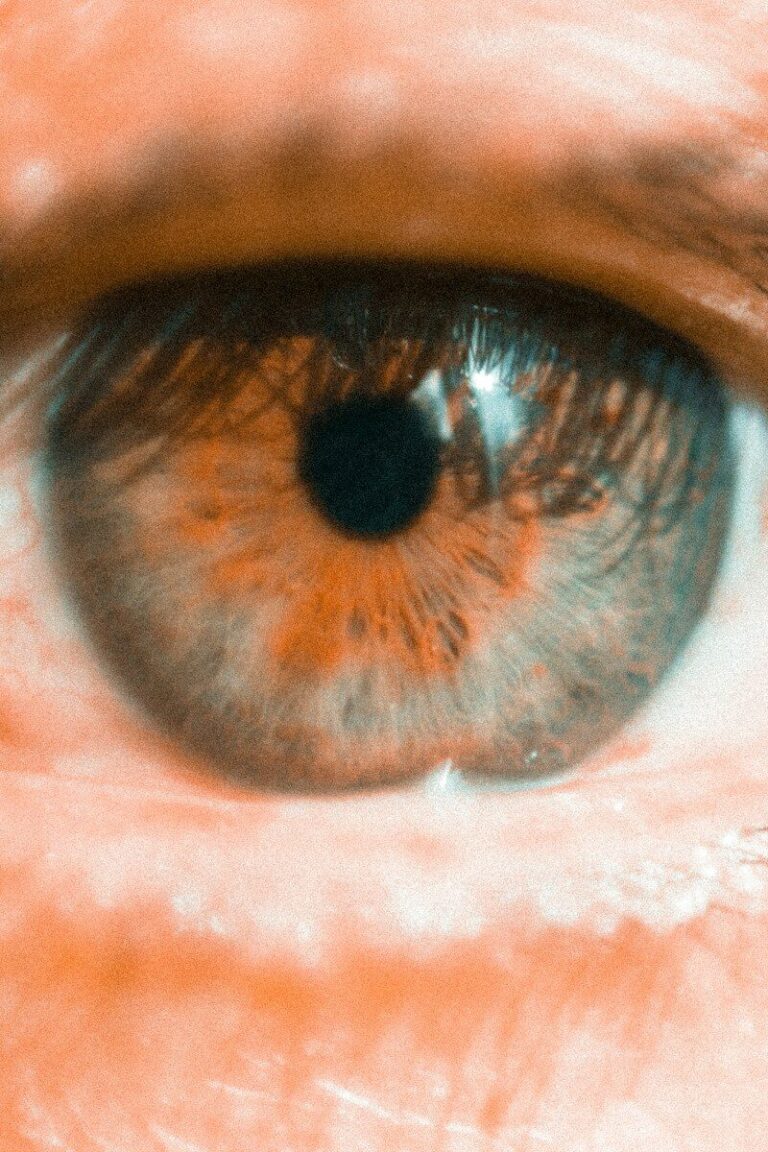
The cornea, the clear front surface of the eye, can be scratched or damaged by foreign objects, chemicals, contact lenses, ultraviolet light, and other causes.
What to do?
What Should I Do If Something Gets in My Eye?
Small particles such as dust or an eyelash may sometimes be removed naturally through blinking and tearing.
If something feels stuck in the eye:
- Wash your hands before touching the area around the eye.
- Try gently blinking to encourage natural tearing.
- If appropriate, gently rinse the eye with clean water.
- Do not rub the eye.
- Do not use force to remove an object that appears embedded.
- Seek medical care if pain, redness, light sensitivity, or blurred vision persists.
Minor irritation may continue for a short time even after a small particle has been removed. Persistent discomfort or changes in vision should be evaluated.
What If an Object Is Embedded in the Eye?
An object that has penetrated or become embedded in the eye should not be removed at home.
Do not pull, push, twist, or otherwise manipulate the object. Do not press on the eye.
Instead, protect the eye from further contact and seek emergency medical care immediately. MedlinePlus
High-speed particles produced by grinding, hammering, or similar activities can cause penetrating injuries that may be more serious than they initially appear.
What Should I Do After a Chemical Gets in My Eye?
A chemical exposure requires immediate action.
Begin flushing the eye immediately with clean running water or saline. Continue flushing for at least 15 minutes, and seek medical attention promptly.
If you wear contact lenses, attempt to remove them during or after flushing if they do not come out with the water.
Do not wait for burning or redness to disappear before beginning irrigation.
Chemical injuries can be caused by household cleaning products, solvents, garden chemicals, workplace substances, and other materials. Some chemicals can cause significant damage to the cornea and other eye structures.
What If I Get Hit in the Eye?
A blow from a ball, hand, tool, or other object can cause blunt eye trauma.
You may develop bruising or swelling around the eye, but the injury may also affect structures inside the eye. Blunt trauma can cause bleeding inside the eye and may be associated with pain, light sensitivity, double vision, flashes, floaters, or vision loss.
After a significant blow to the eye:
- Do not press on the eyeball.
- Avoid rubbing the eye.
- Do not attempt to treat significant pain or vision changes on your own.
- Seek prompt professional evaluation, particularly if vision changes occur.
What If My Eye Is Scratched?
A scratch to the cornea is called a corneal abrasion.
Possible symptoms include:
- Pain or stinging
- A sensation that something is stuck in the eye
- Redness
- Watery eyes
- Light sensitivity
- Blurred vision
An eye examination may include a slit-lamp examination and special dye to identify damage to the cornea.
Treatment depends on the injury and may include prescribed eye medications and temporary avoidance of contact lenses while the eye heals.
What Should I Do About an Eyelid Cut?
A cut to the eyelid should be treated carefully because injuries around the eyelid can sometimes occur together with injuries to the eye itself.
If the eyelid is bleeding, gentle pressure can be applied to the surrounding area with a clean cloth, but do not press on the eyeball.
Cover the area with a clean dressing and seek medical attention for significant cuts or injuries.
When Is an Eye Injury an Emergency?
Seek urgent or emergency medical attention if an injury causes:
- Decreased or lost vision
- Double vision
- Severe eye pain
- Significant light sensitivity
- Blood inside the eye
- An object embedded in the eye
- A penetrating injury
- Significant bleeding
- A chemical exposure
- Increasing swelling after major trauma
- New flashes or floaters following an injury
Some injuries can damage the retina or other internal structures even when the outside of the eye does not appear severely injured.
What Should You Never Do After an Eye Injury?
Several seemingly natural responses can make an injury worse.
Avoid:
- Rubbing the injured eye
- Pressing on the eye
- Removing an embedded object
- Using tweezers or other tools on the eye
- Delaying treatment after chemical exposure
- Continuing to wear contact lenses when the eye is injured or painful
- Applying medications that have not been recommended for the injury
When the severity of an injury is uncertain, professional evaluation is safer than trying to manage it at home. factors can still experience symptoms.
Preventing Eye Injuries
Many eye injuries can be reduced through appropriate protection.
Protective eyewear is particularly important when:
- Using power tools
- Hammering or grinding
- Working with chemicals
- Participating in sports where the eye may be struck
- Working in environments with flying particles or debris
Protective eyewear can help reduce the risk of injuries caused by flying objects and other hazards.
Frequently Asked Questions
Should I rub my eye if something gets in it?
No. Rubbing can scratch the cornea or make an existing injury worse. Gentle blinking or rinsing may help with a small surface particle, but embedded objects require professional care.
How long should I rinse my eye after a chemical exposure?
Flush the eye immediately with clean running water or saline for at least 15 minutes and seek medical attention promptly.
Should I remove something that is stuck in my eye?
No. If an object is embedded or has penetrated the eye, leave it in place and seek emergency medical care.
Can a small scratch on the eye be serious?
Many superficial corneal injuries heal well, but symptoms such as significant pain, light sensitivity, persistent blurred vision, or worsening redness require evaluation.
Should I see an eye doctor after being hit in the eye?
A significant injury should be evaluated, particularly when there is pain, vision change, double vision, flashes, floaters, or other concerning symptoms.
Can an eye injury cause a retinal detachment?
Yes. Serious eye trauma is one of the factors associated with an increased risk of retinal detachment. New flashes, many new floaters, or a curtain-like shadow after an injury require urgent evaluation.
Continue Learning
Eye Emergencies: How to Recognize When You Need Urgent Care
Learn how to recognize symptoms that may require immediate professional evaluation.
Sudden Vision Changes: When Should You Seek Urgent Eye Care?
Learn why flashes, floaters, shadows, and sudden changes in vision should sometimes be treated as emergencies.
Medical Disclaimer
The information on this page is provided for general educational purposes and is not a substitute for a professional eye examination, diagnosis, or individualized medical advice. Cataract treatment and surgical decisions depend on each patient’s eye health, medical history, visual needs, and other individual factors. If you have sudden or significant changes in vision, severe eye pain, or other concerning symptoms, seek prompt medical attention.

Ready to See the World More Clearly?
Schedule your comprehensive eye exam with Hillside Ophthalmology today and experience expert care tailored to your needs.