

What Is Glaucoma?
Glaucoma is a group of conditions that cause progressive damage to the optic nerve. The optic nerve connects the eye to the brain and carries the signals that allow you to see.
Glaucoma is often associated with increased pressure inside the eye, known as intraocular pressure (IOP). However, high eye pressure does not automatically mean that someone has glaucoma, and glaucoma can also develop in people whose eye pressure is within a typical range.
The relationship between eye pressure and glaucoma is different for each person. Some optic nerves are more susceptible to damage than others, which is why glaucoma cannot be diagnosed simply by measuring eye pressure.
In many forms of glaucoma, damage develops gradually. By the time a person notices changes in their vision, significant optic-nerve damage may already have occurred.
Why Does Glaucoma Matter?
Glaucoma can cause permanent vision loss if it is not appropriately detected and managed.
Early glaucoma often affects peripheral vision, or the ability to see things outside the center of your field of view. Because these changes can happen gradually, the brain may compensate for them, and you may not notice a problem in your everyday vision.
As glaucoma progresses, areas of missing vision can become more extensive and may eventually affect central vision.
The vision lost from glaucoma cannot currently be restored. The goal of treatment is therefore to slow or prevent further damage and preserve useful vision for as long as possible.
Early detection and appropriate long-term management can make an important difference in protecting vision.

Understanding Eye Pressure
The inside of your eye contains a clear fluid called aqueous humor. This fluid is continuously produced and normally drains through structures in the front of the eye.
If fluid does not drain properly, pressure inside the eye can increase.
Higher-than-usual eye pressure is an important risk factor for glaucoma, but it is not the same thing as glaucoma.
Some people have elevated eye pressure without developing optic-nerve damage. Conversely, some people develop glaucoma even when their eye pressure is not unusually high.
For this reason, your eye doctor considers eye pressure together with the appearance of the optic nerve, visual-field results, imaging, eye anatomy, and other risk factors.
Types of Glaucoma
There are several types of glaucoma. The most appropriate evaluation and treatment can depend on the type of glaucoma present.
Primary Open-Angle Glaucoma
Primary open-angle glaucoma is the most common form of glaucoma.
The drainage angle remains open, but fluid does not drain as efficiently as it should. Pressure may rise and contribute to optic-nerve damage, although glaucoma can also occur at pressures that are not considered high.
This type usually develops gradually and may have no noticeable symptoms in its early stages.
Angle-Closure Glaucoma
Angle-closure glaucoma occurs when the drainage angle becomes narrowed or blocked by the iris.
An acute attack can cause a sudden increase in eye pressure and is a medical emergency.
Symptoms may include severe eye pain, a red eye, blurred vision, halos around lights, headache, nausea, or vomiting.
Normal-Tension Glaucoma
Normal-tension glaucoma occurs when the optic nerve becomes damaged even though measured eye pressure is not unusually high.
This is an important reason why a normal eye-pressure reading does not necessarily rule out glaucoma.
Secondary Glaucoma
Secondary glaucoma occurs when another condition, medication, injury, or eye problem contributes to increased eye pressure or optic-nerve damage.
Examples can include certain eye injuries, inflammation, some medications, and other eye or systemic conditions.
Treatment may involve managing both the glaucoma and the underlying cause.
Other Forms of Glaucoma
Other forms include pigmentary glaucoma, pseudoexfoliative glaucoma, neovascular glaucoma, and glaucoma that occurs in children.
The type of glaucoma matters because the underlying mechanism, risks, and appropriate treatment can differ.
What Causes Glaucoma?
There is no single cause responsible for every form of glaucoma.
In many types, abnormal drainage of fluid inside the eye can contribute to increased eye pressure and optic-nerve damage. However, the exact relationship between eye pressure and nerve damage is complex.
Glaucoma can also develop through mechanisms that do not involve unusually high eye pressure.
Certain forms can be associated with:
- Age-related changes
- Family history
- Eye injury
- Certain medical conditions
- Previous eye surgery
- Certain medications, including prolonged corticosteroid use
- Changes in the eye’s drainage structures
- Other diseases affecting the eye or blood vessels
Having a risk factor does not mean that you will develop glaucoma. It does mean that your eye doctor may recommend closer monitoring based on your individual circumstances.

Who Is at Higher Risk?
Anyone can develop glaucoma, but certain factors can increase risk.
Risk may be higher if you:
- Are older
- Have a close family member with glaucoma
- Have elevated eye pressure
- Have certain types of refractive error, such as significant nearsightedness
- Have diabetes or certain other medical conditions
- Have previously experienced an eye injury
- Have used corticosteroid medications for an extended period
- Have certain anatomical features that increase the risk of angle closure
- Belong to a population with a higher prevalence of particular types of glaucoma
Your overall risk depends on the combination of factors rather than any single characteristic.
If glaucoma runs in your family, tell your eye-care professional. Family history can be important when determining how often you should be examined.
Signs and Symptoms of Glaucoma
One of the most challenging aspects of glaucoma is that early glaucoma often causes no noticeable symptoms.
Early Glaucoma
Many people with early glaucoma feel that their vision is normal.
There may be no pain, redness, or obvious change in visual clarity.
This is why waiting until you notice a problem is not a reliable way to detect glaucoma.
More Advanced Glaucoma
As optic-nerve damage progresses, symptoms may include:
- Loss of peripheral vision
- Difficulty noticing objects to the side
- Patchy areas of missing vision
- Increasing difficulty navigating certain environments
- More advanced loss of central vision
The changes can occur so gradually that a person may adapt without realizing that their field of vision has changed.
Symptoms of Acute Angle-Closure Glaucoma
Acute angle-closure glaucoma is different because symptoms can develop suddenly.
Possible symptoms include:
- Severe eye pain
- A red eye
- Sudden blurred vision
- Halos or colored rings around lights
- Severe headache
- Nausea or vomiting
These symptoms require urgent medical attention.
When Should You See an Eye Doctor?
Because glaucoma may have no early symptoms, routine comprehensive eye examinations are important, particularly for people with risk factors.
You should arrange an eye examination if:
- You have a family history of glaucoma
- You have been told that your eye pressure is elevated
- You have been diagnosed with an eye condition associated with glaucoma
- You use medications that may affect eye pressure
- You have experienced an eye injury
- You notice gradual changes in your peripheral vision
- You have previously been diagnosed with glaucoma or are being monitored as a glaucoma suspect
Seek Urgent Care for Sudden Symptoms
If you suddenly develop severe eye pain, eye redness, blurred vision, halos around lights, headache, nausea, or vomiting, seek urgent medical attention.
These symptoms can occur with acute angle-closure glaucoma, which requires prompt treatment.
Do not wait for a routine eye appointment when symptoms are sudden or severe.
How Is Glaucoma Diagnosed?
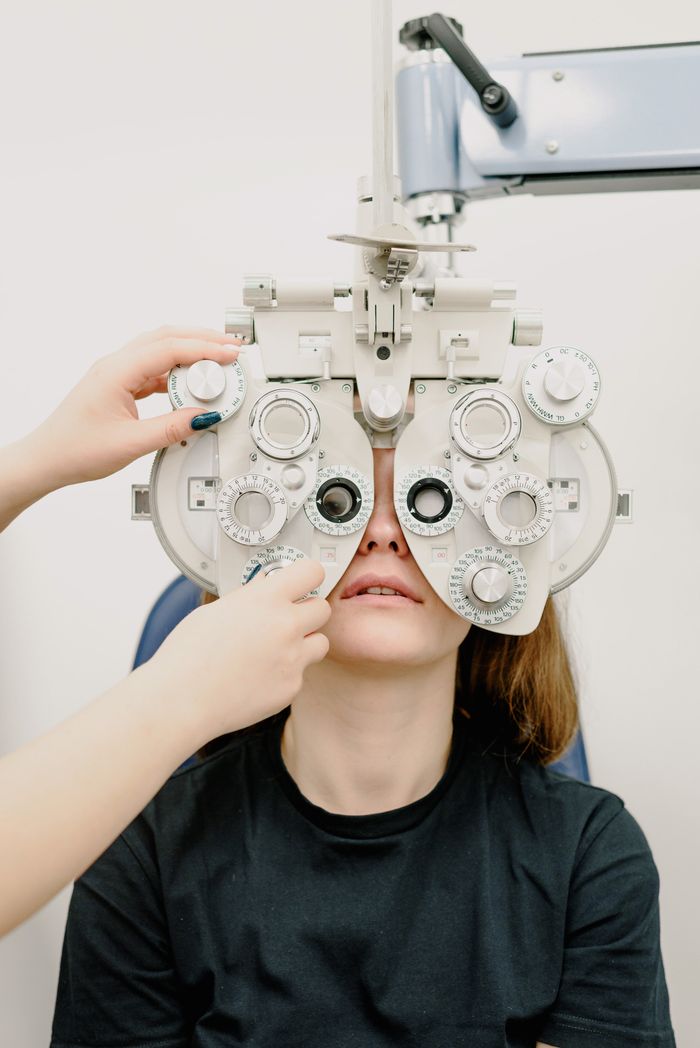
Diagnosing glaucoma involves more than checking your eye pressure.
Your eye doctor may combine several examinations and measurements to determine whether the optic nerve shows signs of glaucoma, whether your visual field has been affected, and whether you have risk factors that require monitoring.
Medical and Eye History
Your doctor may ask about:
- Changes in your vision
- Previous eye conditions or injuries
- Eye surgeries
- Family history of glaucoma
- Medical conditions
- Current medications
- Previous eye-pressure measurements
This information helps your doctor understand your individual risk.
Visual Acuity Testing
A visual-acuity test measures how clearly you can see at different distances.
Glaucoma can occur even when central visual acuity remains good, so this test is only one part of a glaucoma evaluation.
Tonometry
Tonometry measures the pressure inside your eye.
The test can be performed using different methods and is generally quick.
Eye pressure is an important piece of information, but a pressure measurement alone cannot confirm or rule out glaucoma.
Dilated Eye Examination
Dilating drops enlarge the pupil so your eye doctor can examine the retina and optic nerve more closely.
The appearance of the optic nerve can provide important information about whether glaucoma-related damage may be present.
Visual Field Testing
A visual-field test measures how well you can see objects in different areas of your field of vision.
You usually look at a central target and respond when you see small lights appearing elsewhere in your field of view.
This test can help identify areas of reduced or missing peripheral vision.
Optic-Nerve Imaging
Imaging may be used to create detailed measurements or photographs of the optic nerve and surrounding retinal structures.
These images can be useful for establishing a baseline and monitoring for changes over time.
Gonioscopy
Gonioscopy allows the doctor to examine the drainage angle of the eye.
This helps determine whether the angle is open, narrow, or closed and can be particularly important when assessing the risk of angle-closure glaucoma.
Pachymetry
Pachymetry measures the thickness of the cornea.
Corneal thickness can affect the interpretation of eye-pressure measurements and may be considered when assessing glaucoma risk.
Why Multiple Glaucoma Tests Are Important
No single test provides the complete picture.
For example, someone can have elevated eye pressure without glaucoma, while another person can have glaucoma despite having eye pressure that does not appear unusually high.
Your eye doctor may therefore compare examination findings, eye pressure, visual-field results, optic-nerve appearance, imaging, and other information over time.
Repeated measurements are particularly valuable because glaucoma is a disease that can change gradually.

Living With Glaucoma
Many people with glaucoma continue to work, read, drive, exercise, and participate in everyday activities.
The impact of glaucoma depends on how much vision has been affected and whether the condition is stable.
Work and Reading
Early glaucoma may have little noticeable effect on reading or computer work.
More advanced visual-field loss can make certain tasks more difficult. Adjustments such as improved lighting, larger text, or other visual aids may help some people.
Driving
Glaucoma can affect peripheral vision, which can become important for activities such as driving.
Whether you can safely drive depends on the extent of your visual-field loss and applicable vision requirements. If you have concerns about driving, discuss them with your eye-care professional.
Exercise
Most people can remain physically active, but specific recommendations may vary depending on the type of glaucoma, treatment, and any recent procedures.
If you have recently undergone laser treatment or glaucoma surgery, follow the activity restrictions provided by your surgical team.
Medication Routine
If you use glaucoma eye drops, incorporating them into an established daily routine can make adherence easier.
Your eye doctor can also show you techniques for administering drops correctly.
Can Glaucoma Be Prevented?
There is currently no guaranteed way to prevent glaucoma.
However, regular comprehensive eye examinations can help detect glaucoma before significant symptoms develop.
If you have an increased risk of glaucoma, your eye doctor may recommend examinations more frequently than someone at average risk.
Protecting your eyes from serious injury, managing relevant health conditions, knowing your family eye-health history, and following prescribed treatment can also form part of a long-term approach to eye health.
Who May Need Glaucoma Care?
Glaucoma evaluation or ongoing care may be appropriate for people who:
- Have been diagnosed with glaucoma
- Have been told they are a glaucoma suspect
- Have elevated eye pressure
- Have a family history of glaucoma
- Have unexplained changes in their visual field
- Have certain medical conditions associated with increased glaucoma risk
- Have experienced an eye injury
- Have used medications associated with glaucoma risk
- Have previously undergone treatment for glaucoma
- Need ongoing monitoring after laser treatment or glaucoma surgery
A person does not need to have noticeable vision loss to benefit from a glaucoma evaluation.
Frequently Asked Questions About Glaucoma Care
Can glaucoma be cured?
There is currently no cure that reverses glaucoma-related optic-nerve damage. Treatment is designed to slow or prevent further damage and preserve remaining vision.
Can I have glaucoma if my eye pressure is normal?
Yes. Normal measured eye pressure does not completely rule out glaucoma. Some people develop optic-nerve damage at pressures that fall within a typical range.
Does high eye pressure mean I have glaucoma?
Not necessarily. Some people have elevated eye pressure without developing glaucoma. Your doctor considers eye pressure together with the optic nerve, visual field, eye anatomy, and other risk factors.
Will I know if I have glaucoma?
Not always. Early glaucoma often has no noticeable symptoms. This is one reason comprehensive eye examinations are important, particularly for people with increased risk.
Can glaucoma cause blindness?
Untreated or inadequately controlled glaucoma can cause severe vision loss and, in advanced cases, blindness. Early detection and appropriate treatment can help reduce the risk of further vision loss.
Do glaucoma eye drops restore lost vision?
No. Glaucoma medications are intended to lower the risk of further damage. They do not restore optic-nerve damage that has already occurred.
Do I need glaucoma treatment if I feel fine?
If your doctor has diagnosed glaucoma and prescribed treatment, you may need treatment even if you have no symptoms. Glaucoma can progress silently, so the absence of symptoms does not necessarily mean that the disease is inactive.
Is laser treatment better than eye drops?
There is no single treatment that is best for everyone. Laser treatment and medications have different advantages, limitations, and suitability depending on the type and stage of glaucoma and the patient’s circumstances.
Your eye doctor can explain which options are appropriate for you.
Will I need glaucoma surgery?
Not everyone with glaucoma needs surgery. Many people are managed with medications, laser treatment, or a combination of approaches. Surgery may be considered when other treatments do not adequately control the disease or when the clinical situation calls for it.
How often should I have my eyes checked for glaucoma?
There is no single examination schedule that applies to everyone. The appropriate interval depends on factors such as age, family history, eye health, previous findings, and overall glaucoma risk.
People at increased risk may need more frequent comprehensive examinations.
Why Professional Eye Care Matters
Glaucoma is not diagnosed from symptoms alone, and a single eye-pressure measurement cannot provide the complete picture.
A comprehensive evaluation allows an eye-care professional to examine the optic nerve, assess the visual field, measure eye pressure, evaluate the eye’s drainage angle, and consider other factors that may affect your risk.
Because glaucoma can develop silently, establishing a baseline and monitoring changes over time can be just as important as identifying the condition in the first place.
Individualized care is particularly important because the appropriate treatment and target eye pressure can differ from one person to another.

Medical Disclaimer
The information on this page is provided for general educational purposes and is not a substitute for a professional eye examination, diagnosis, or individualized medical advice. Cataract treatment and surgical decisions depend on each patient’s eye health, medical history, visual needs, and other individual factors. If you have sudden or significant changes in vision, severe eye pain, or other concerning symptoms, seek prompt medical attention.
Ready to See the World More Clearly?
Schedule your comprehensive eye exam with Hillside Ophthalmology today and experience expert care tailored to your needs.